Animal Collision: What to Do, Who Pays, and What to Write in the Accident Report?
The Short Version
- •Secure the scene first, mark the accident, and notify the appropriate authorities – do not chase injured wildlife.
- •Secure the scene first, mark the accident, and notify the appropriate authorities – do not chase injured wildlife.
- •Who pays depends on whether you have liability, partial coverage, or comprehensive insurance, and what the damage pertains to.
Hitting an animal can be stressful, and it happens more often than many think – especially at dusk and during periods of heavy animal movement. The most important thing is to act correctly in the first minutes, and then document so that the insurance claim can proceed quickly and smoothly.
First Steps After Animal Collision
1) Ensure Safety for People and Traffic
Stop safely as quickly as you can without creating danger. Turn on hazard lights, put on a reflective vest, and set out a warning triangle. If there are personal injuries or a risk of a new accident, call 113 first.
2) Do Not Chase the Animal
An injured animal can be dangerous, and it's also easy to lose track of the traffic situation. Maintain distance and let professionals and search teams handle the situation.
3) Notify the Police / Appropriate Authority
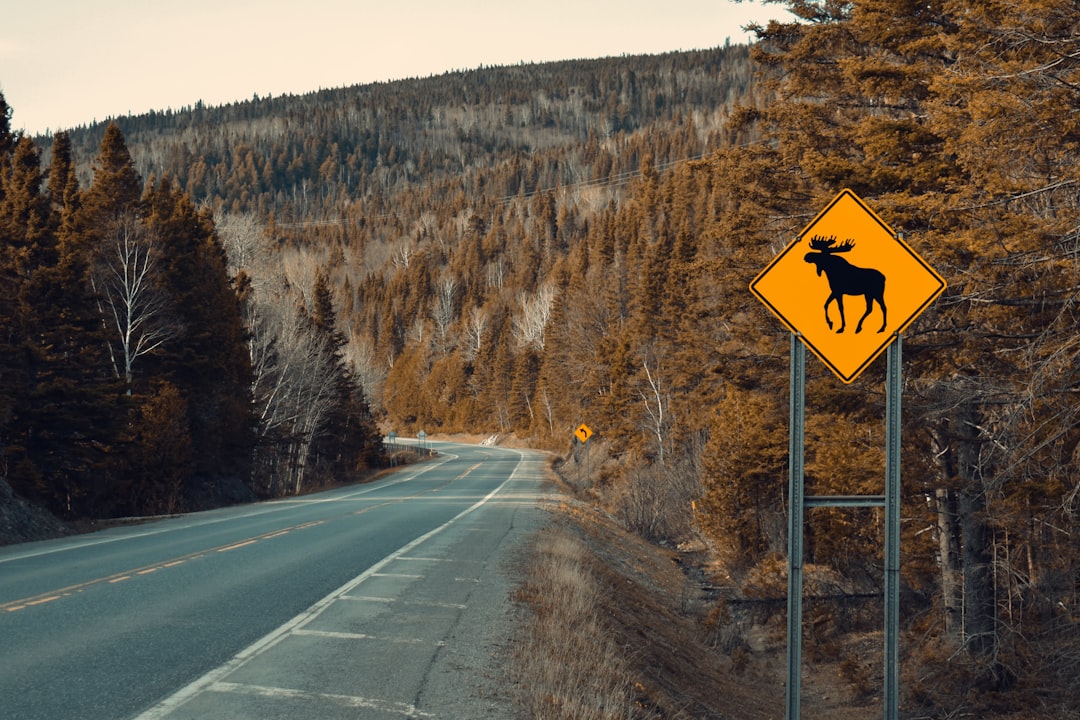
In the case of a collision with wildlife (typically moose, deer, roe deer, reindeer, wild boar), you should notify the police. The police will describe what to do and how to report on their advice pages: Police – Traffic Advice. (Procedures may vary somewhat locally, but police guidance is a safe starting point.)
If it involves domestic animals (such as sheep or cattle), you should also try to notify the owner if you can identify them (ear tags, nearby farm), in addition to the police if necessary.
Documentation: What You Should Do on the Scene
- Take photos of the car, the accident site, the road/vegetation, brake marks, and any hair/blood traces (without approaching the animal).
- Note the time, exact location (GPS/road number), driving conditions (dark, rainy, slushy), speed limit, and your estimated speed.
- Note what you hit (species/size if you're unsure), and whether the animal ran away or remained on the road.
- Find witnesses if anyone stopped – name and phone number.
Good documentation is often what separates a quick, frictionless handling from a lot of back and forth.
Who Pays – And Which Insurance Applies?
In the case of animal collisions, it is usually your own car insurance that is used. What coverage you have determines what is covered, deductibles, and whether it can affect your bonus. Terms vary between insurance companies, so always check your terms before concluding.
Liability Insurance
Liability covers damages you cause to others, but not damages to your own car. If you hit an animal and only your car gets damaged, liability alone is typically not enough.
Partial Coverage (Minicomp)
Partial coverage often covers things like theft, fire, and glass – but not always collision damages. Many are surprised that animal collisions can be considered a collision. Some companies, however, have specific arrangements for wildlife, so this needs to be checked in the terms.
Comprehensive Insurance
Comprehensive insurance typically covers collision damages to your own car, which is why it is the most common coverage for animal collisions. You usually pay a deducible, and in some companies, it may result in bonus decrease – but there are exceptions and various models. Ask your company specifically: "Does this type of wildlife/animal damage affect the bonus with you?"
What About Damages to the Animal – And Compensation?
For wildlife, you are rarely confronted with a compensation claim for the animal itself, but you are obligated to notify so that a search can be initiated. For domestic animals, there can be questions about liability between the animal owner and the driver in some cases, but this is more situational-dependent (fencing, supervision, local circumstances). The police and the insurance company can provide further guidance.
What to Write in the Accident Report? (Concise and Specific)
When filling out the accident report, the goal is to provide a verifiable and objective description. Avoid speculation; stick to what you know.
Suggested Wording
- Incident Sequence: "Was driving at approx. 70 km/h in an 80 zone. A deer suddenly came out from the right side. Braked and tried to steer away but hit the animal with the front/right side."
- Location and Time: "At 10:15 PM, FVxxx at [location], heading [direction]. Dark, wet road surface."
- Damages: "Damage to front bumper, right light broken, hood dented, leak from windshield washer fluid."
- Actions/Notification: "Hazard lights and triangle set out. Police notified at 10:20 PM."
- Witnesses: "Witness: Name, phone, saw the animal run onto the road."
If you are unsure of the species, you can write "unknown deer" or "large wildlife (probably moose/deer)" and explain why you are unsure.
This is How Skademeldinger.no Simplifies the Process
An animal collision usually has no "opposing party" in the usual sense, but you still need a tidy accident report with photos and a clear description. At Skademeldinger.no, you can fill everything out on mobile, attach documentation, and sign digitally so that you have a complete version ready for submission.
If there are multiple parties involved (for example, if you are rear-ended while braking suddenly for an animal), you can fill out the same accident report together, get one joint version, and sign – which reduces misunderstandings and saves time before the case is sent to the insurance company.
Workshop, Towing, and Rental Car
Contact your insurance company or use their claims portal before ordering extensive repairs, unless the car is dangerous to drive. If you suspect damage to cooling/air intake/lights, avoid driving far. Also ask about:
- Road Assistance/Towing (often included in comprehensive or as an add-on)
- Rental Car (can be a separate coverage or part of comprehensive – varies)
- Choice of Workshop and whether they have affiliated workshops that provide quicker processing
Frequently Asked Questions
Do I always have to report?
In the case of wildlife, you should notify so that a search can be initiated. The police are the right place to start: Police.
What if the animal ran away and I can't find it?
Note the direction the animal took and the location, and report it anyway. A search can often find the animal based on tracks and your report.
What if I only had a minor damage?
Document and report to insurance if you want coverage. Small cracks in the front and damages to lights can conceal larger damages behind.
Sources
- Police – Traffic Advice
- Norwegian Public Roads Administration (main page) (check their traffic/safety pages for local advice)
The article is written for 2026 and summarizes general practices; insurance terms, deductibles, and bonus rules may vary between companies and change over time.
Emner
Ready to save time and frustration?
trafikkskademelding.no makes it easy to fill out claim forms digitally together with the other party. Done in 5 minutes, ready for your insurance company.
Relaterte innlegg
Hva dekker kasko i 2026?
Hva dekker kasko i 2026? Kasko er fortsatt den mest brukte betegnelsen på dekningen som tar seg av skader på din eg...
Når du må fylle ut skademelding alene: hva gjør du hvis motparten drar eller nekter å signere?
Når du må fylle ut skademelding alene: hva gjør du hvis motparten drar eller nekter å signere? Det skjer oftere enn m...
Skademeldingsskjema bil – komplett guide til utfylling (2026)
Skademeldingsskjema bil – komplett guide til utfylling (2026) Et skademeldingsskjema etter en kollisjon kan føles som...